How can acupuncture help with mental health even when you’re on anti-depressants?
Jennie had been feeling low for a few years having been diagnosed with depression back in 2010.
She’d been on the anti-depressant Venlafaxine for most of that time and was used to feeling fairly numb to daily life.
However, after her mum was diagnosed with cancer the numbness was no longer there. Now she was getting big emotional swings which made her wonder what was going on with her medication.
Was the current medication prescription not strong enough to override the overwhelming sense of being angry or really scared?
Jennie (her name’s been changed) had been prescribed Cognitive Behavioural Therapy (CBT) by her GP, but didn’t think it had helped much.

Having asked to see a psychiatrist instead, whilst she was waiting for that appointment to come through she researched ways she could help herself.
She read a case study about acupuncture helping the mental health so she contacted me after finding my listing on the British Acupuncture Council website.
Can acupuncture help me even though I’m on anti-depressants?
One of the first things Jennie wanted to know was if she was beyond help as that’s how she felt. If somehow help was possible, would the anti-depressants stop the acupuncture from working?
Reassuring her that acupuncture could still help her even when she was on medication, I explained that it asks the body to release natural rest-and relaxation hormones, helping body’s own self-healing systems to take action.
How acupuncture works to calm feelings of worry, anxiety or depression
When they’re working in a healthy way both positive and negative emotions help our body express what’s going on.
The ‘negative emotions’ feel quite uncomfortable as they arise and make us notice them, but they’re designed to be that way to make us quickly sort out any problems facing us. Once that’s done, they should fade away as part of a natural cycle.
However, getting a cancer diagnosis is so shocking and difficult to comprehend its no wonder the natural cycle of emotions gets disrupted.
This disruption shows up as constantly feeling angry, anxious or depressed. Feeling tired but it’s hard to sleep, having a brain filled with fog and feeling very fragile and hurting all the time.
These are all signs of emotions stuck on repeat because the emotional flow cycle never worked its way through to the end.
Emotions that are stuck like this are seen as ‘stagnation’ by an acupuncturist, so shifting this becomes part of the Treatment Plan.

A ‘calming the emotions’ treatment plan:
Other information that needs to go into the Treatment Plan come from having a chat at the beginning of the treatment session.

With Jennie this was to get more detail about both her historical physical and mental health.
When it came to her more recent experiences of her mum’s cancer diagnosis, she described herself as feeling shaky, weak and fragile, and that her tummy was raw, making it painful to eat.
As I was listening and taking notes, Jennie whispered that she often felt like crying but wouldn’t allow herself to do it. She thought she was just feeling sorry for herself.
This is such a common way of looking at tears, and seeing them as a weakness or something you’re doing wrong.
To an acupuncturist crying is a good thing. It’s a natural way for the body to releasing emotional pain.
I reassured Jennie that a daily ten minutes of crying can save us from days, weeks or months of suffering because it’s the body’s own emotional self-regulating mechanism that’s working.
It releases sadness and anger from the body and is one of the ways your body lets go of fear.
Feeling a wave of relaxation and relief
After finishing our chat, I asked Jennie to take her top, her shoes and socks off, then get comfortable lying on her tummy, on the treatment couch.

Her treatment started with gently feeling around her shoulders to sense where there were knots or areas of stiffness that needed freeing up.
These areas of tightness and constriction develop because our emotional burdens often get carried in our shoulder muscles.
Working on her upper back using Gua Sha (‘gwaa shaa’ is a massage technique), I used the gentle stretching action to release the muscular tension and trigger a wave of relaxation.
|
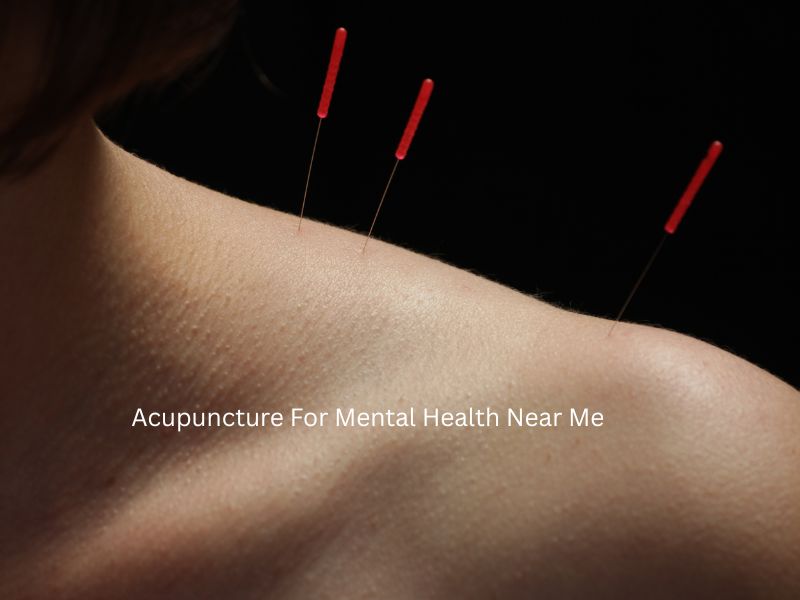
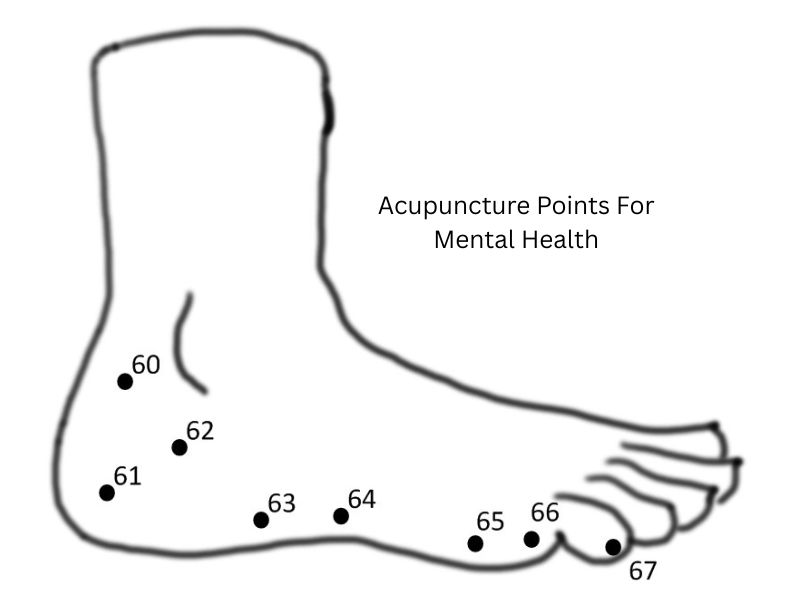
Calming the heart and mind Once the Gua Sha was complete I followed this up with acupuncture on for calming heart and mind. Jennie’s needles stayed in for about 15 mins, enough time for her to relax deeply and to feel more like herself again. Then she turned over so I could focus on relieving the rawness in her tummy and boost her sense of resilience. |

How long does it take for acupuncture treatment to work?
The length of time acupuncture takes to work depends on as each person has different layers of worry, fear, anger, guilt or sadness to work through.
It’s not like taking a pill twice a day for a month so your feelings are suppressed or numbed, but usually there’s a positive change with the first treatment.
In the follow-up appointments we review how the last treatment worked, how they were able to respond to difficult situations since I last saw them and how they’re getting on with looking after themselves by relaxing, resting and sleeping.
It’s not a matter of sticking with the same treatment week after week. As the emotions work through the body and as the channels clear of stagnation, we follow the emotions through until they have a chance to complete their cycle.
What I’m looking for is an increasing sense of calmness and stability in my patients and that they’re not noticing their emotions as much because the extremes of anger, anxiety, fear or depression have eased away.
Jennie and I tracked how she felt over the course of 6 treatments. We’d discuss things she could do to support her own sense of feeling well in addition to taking her medications as she’s supposed to.
She started going for walks most days, eating more nourishing vegetable soups and getting to bed at a regular time.
And she said this:
“I feel my acupuncture has been really good at relieving my terrible sense of stress, anxiety and depression.
The talking therapy I’d done didn’t really feel like it helped me, but talking to you has felt therapeutic and the gua sha massage technique really felt like it cleared a lot away and made me feel lighter.
After 6 weeks of treatment Jennie still felt frustrated, irritable and uncertain at times.
Her mum still had cancer.
She was still dealing with all the things this involved, however, she now had both me and the psychiatrist to have treatment and support from and had joined a family’s-with-cancer support group which helped her feel less alone with it all.
How can you get started calming your mind with help from acupuncture?
Tell me about your mental health symptoms by clicking on this contact form and I’ll get back to you within 24-48 hours outlining what the treatment options are.
Give me a call on 07841 203 412 for an obligation-free chat about how acupuncture may be the relief you’re looking for.

Disclaimer: This information is for general educational purposes only and does not constitute medical advice.
If you are experiencing anxiety symptoms, please consult with a qualified mental health professional for diagnosis and treatment.
Do not disregard professional medical advice or delay seeking treatment based on information provided here.