Can the emotional trauma from cancer have long lasting effects?
Sarah’s journey from cancer free to emotional struggle to finding her way again.
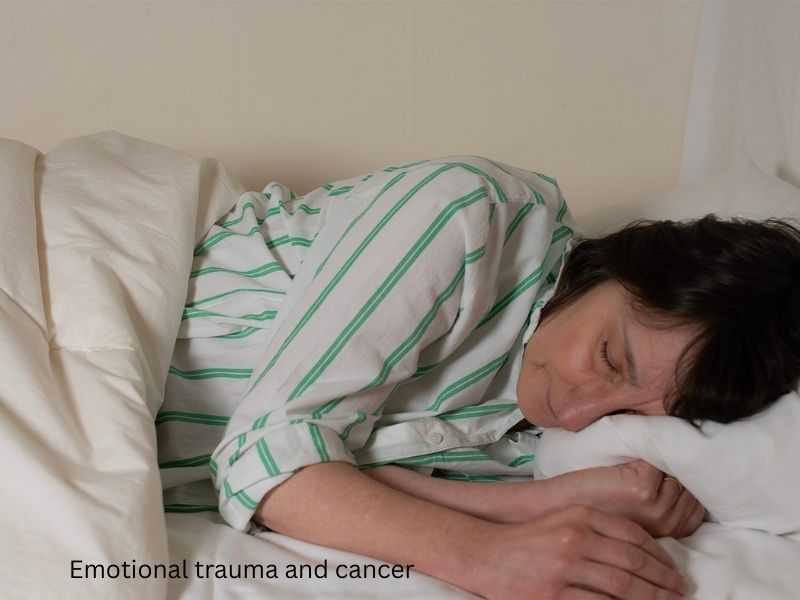
Sarah* had been cancer-free for over a year, but despite her gruelling bowel cancer treatment being over she was still feeling all over the place emotionally.
Lurching from feeling weepy and down to very snappy and short tempered, her husband and teenage kids were finding hard to cope with her big changes of mood.
When we spoke on the phone, I could hear her frustration and desperation, “I thought I’d got over it, I should be able to put it in the past and move on, but I feel like I’m stuck and I’ve no idea how to get out of this”.
Making an appointment to see me later that same week, I explained that emotions aren’t just thoughts in our minds but also manifest themselves as physical tensions in our bodies that drain our energy.
This tension builds up into the feelings of being stuck and creates a tiredness so deep it feels like there’s no way out of this.
This pattern of symptoms is recognised as Post Traumatic Stress Disorder or PTSD.
Is Post Traumatic Stress Disorder (PTSD) common after cancer?
Around 40% of cancer patients experience emotional trauma during their treatment and this can high level of stress can carry on even after the treatment is finished.

Not only does PTSD manifest in physical symptoms like difficulty sleeping, constantly feeling on edge, and persistent aches and pains it also shows itself in mental-emotional ways too.
Irritability, guilt, shame, anxiety, depression make the body react with very physical responses of tension and tightness that make you worry the cancer has returned.
Can your personality change after cancer treatment?
When Sarah came for her appointment, one of the first things I asked was for her to expand on our initial phone conversation and describe what she’d been feeling since her cancer treatment ended.
She said she didn’t feel like her old self at all. She used to be a calm and steady person who followed a routine of getting up, caring for her family, going to work and sleeping through the night.

Now that had all changed. Anxiety kept her mind active at night, so her sleep was broken up, she was waking early, still feeling tired and was relying much more caffeine in the morning to get going.
This left her feeling on edge and any questions her kids or husband asked were making her snap off a sharp reply. Then she’d feel bad, hiding in the loo where she’d weep for a bit before coming out and pretending the tears hadn’t happened.
This bad start to the morning was happening frequently, and she felt powerless to stop it.
The First Acupuncture Treatment

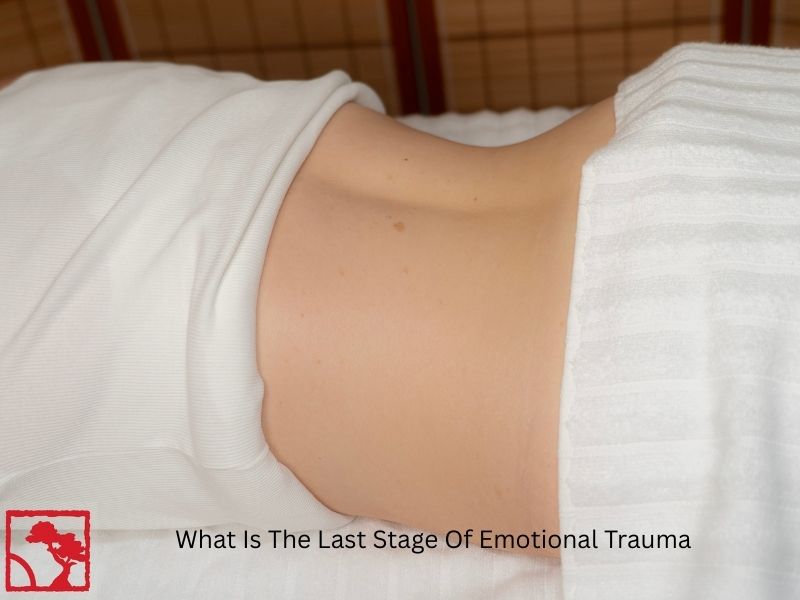
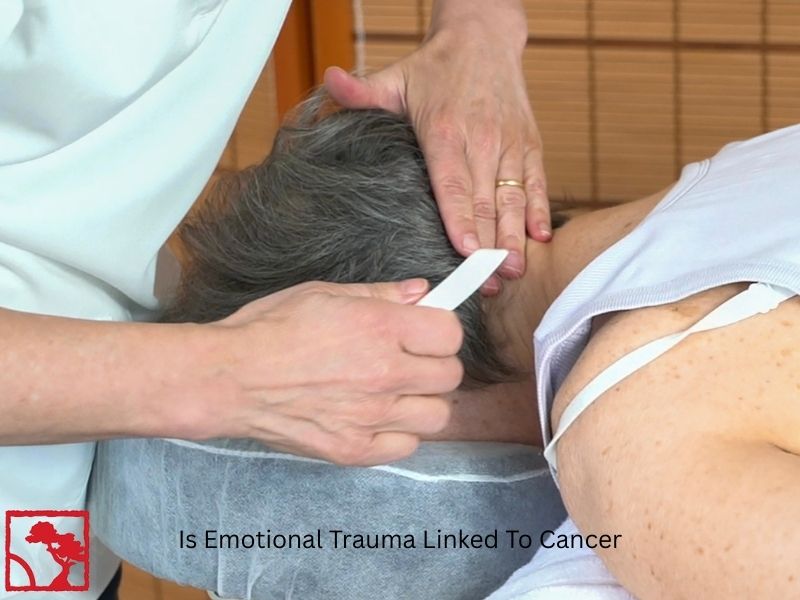
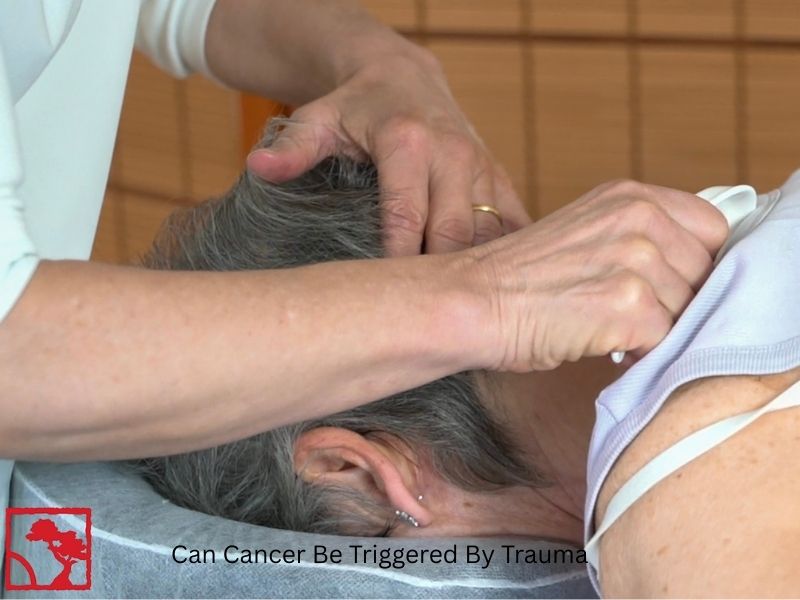
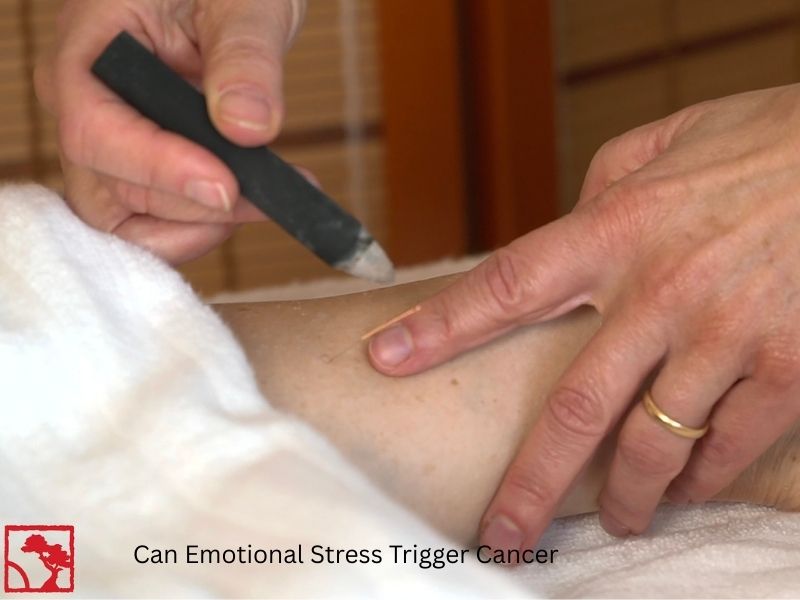
As she lay face down on the treatment couch after taking her top, shoes and socks off, I explained I was going to feel how tight her neck, shoulders and back felt.
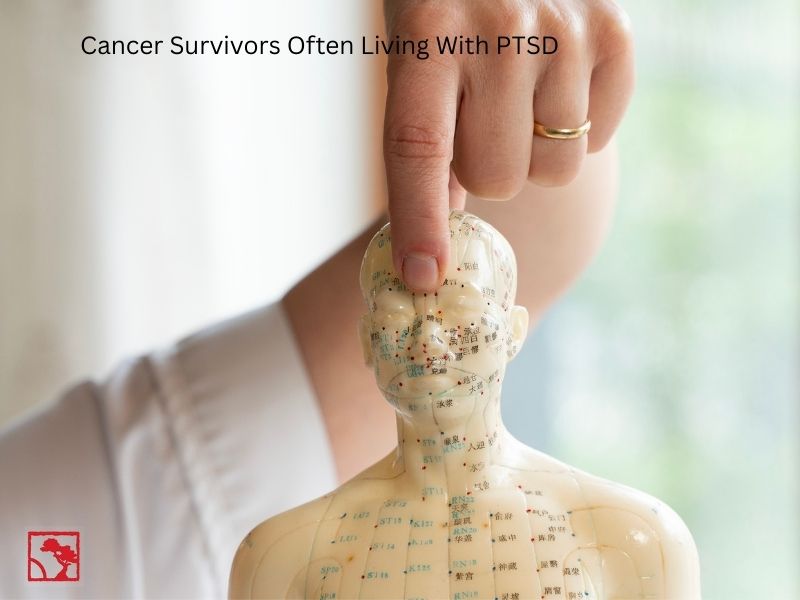
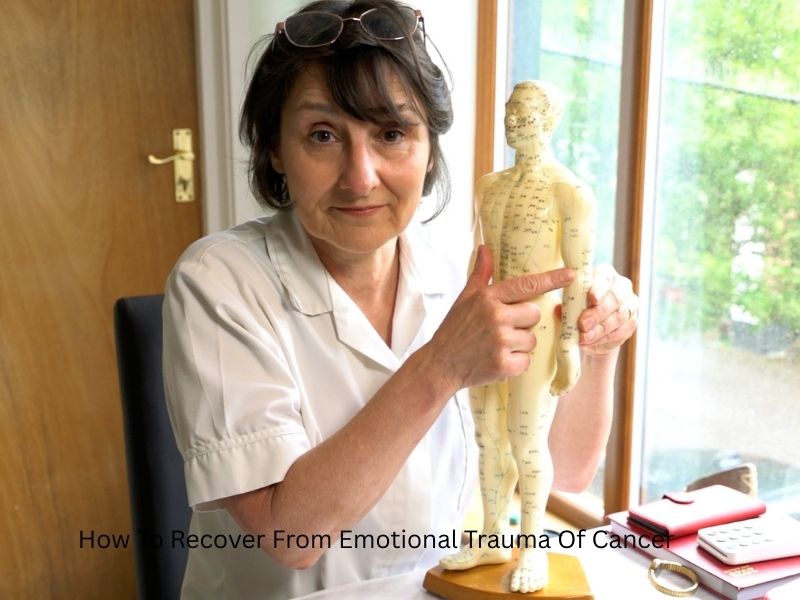
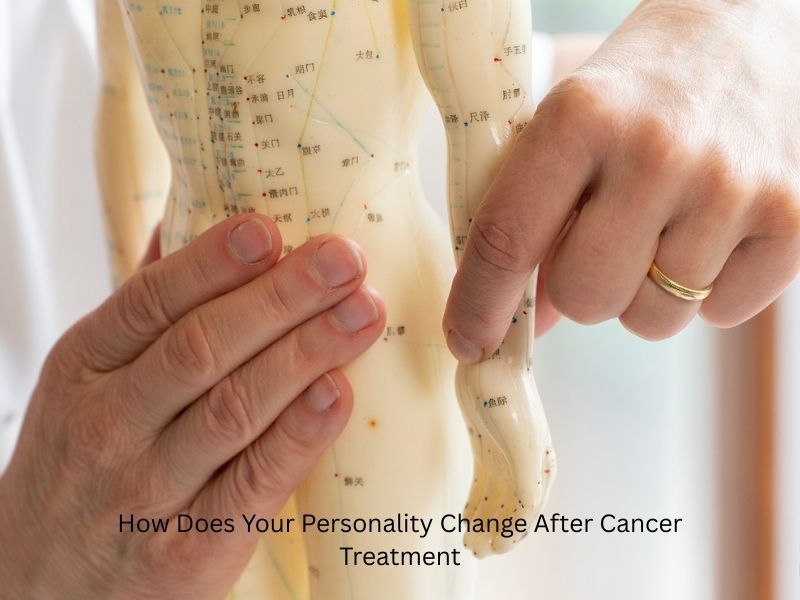
When I found any knots, I was going to release them with gentle touch acupuncture, then I was going to do a deeply grounding and soothing acu-treatment for calming the mind and the emotions.
My plan was to improve her sleep and get her energy gently flowing again so she’d feel less tired.
As her energy levels lifted and stabilised, her emotions would gradually feel less overwhelming and out of control, making it easier to shift back towards the calmer and more patient person she used to be.

How long does acupuncture treatment take to work?
The length of time acupuncture takes to work varies from person to person as it’s a personalised medicine rather than a one size fits all treatment.
Usually there’s a positive change with the first treatment.

At the follow-up appointments I monitored how Sarah was sleeping and with the emotional trauma, I was listening out for increasing levels of calmness, confidence and contentment in how she described how her week had gone.
I had also advised her to take more rest and allow more time for recovery.
In practical terms this meant not yet taking back all the responsibilities she used to shoulder pre-cancer in supporting her family and running the house, but allowing her husband and kids to help her.
By getting them to help they could feel they were contributing to her recovery, and were not just helpless bystanders.
This meant the whole family could feel like they were pulling together and doing all they could to help, and would make all of them feel like they could cope better with life’s new norm post-cancer.
After a few weeks Sarah said this:
“I used to blame myself when I couldn’t stay positive, but I’ve realised how much pressure that put on me and my family.
I feel like I’ve turned a corner now what with giving more jobs to my husband and kids to do at home and allowing them to feel like they can do something to help me.
Sometimes it’s hard to allow myself to rest, but I’m determined to keep my relaxation routine going. I’m feeling more cheerful about being able to do things to help move me forward rather than the stuck and sinking feeling I used to have.”
I treated Sarah weekly for 8 weeks, then we went fortnightly, then every 3-weeks and now I’m seeing her roughly every 6 weeks, though I don’t think it will be long before she’s discharged and just comes in as and when she needs a top up.
Acupuncture for soothing the emotional trauma caused by cancer treatment
Tell me about the symptoms of trauma you’re getting by clicking on this contact form and I’ll get back to you within 24-48 hours outlining what the treatment options are.
Give me a call on 07841 203 412 for an obligation-free chat about how acupuncture may be the trauma relief you’re looking for.

Disclaimer: This information is for general educational purposes only and does not constitute medical advice.
If you are experiencing anxiety symptoms, please consult with a qualified mental health professional for diagnosis and treatment.
Do not disregard professional medical advice or delay seeking treatment based on information provided here.